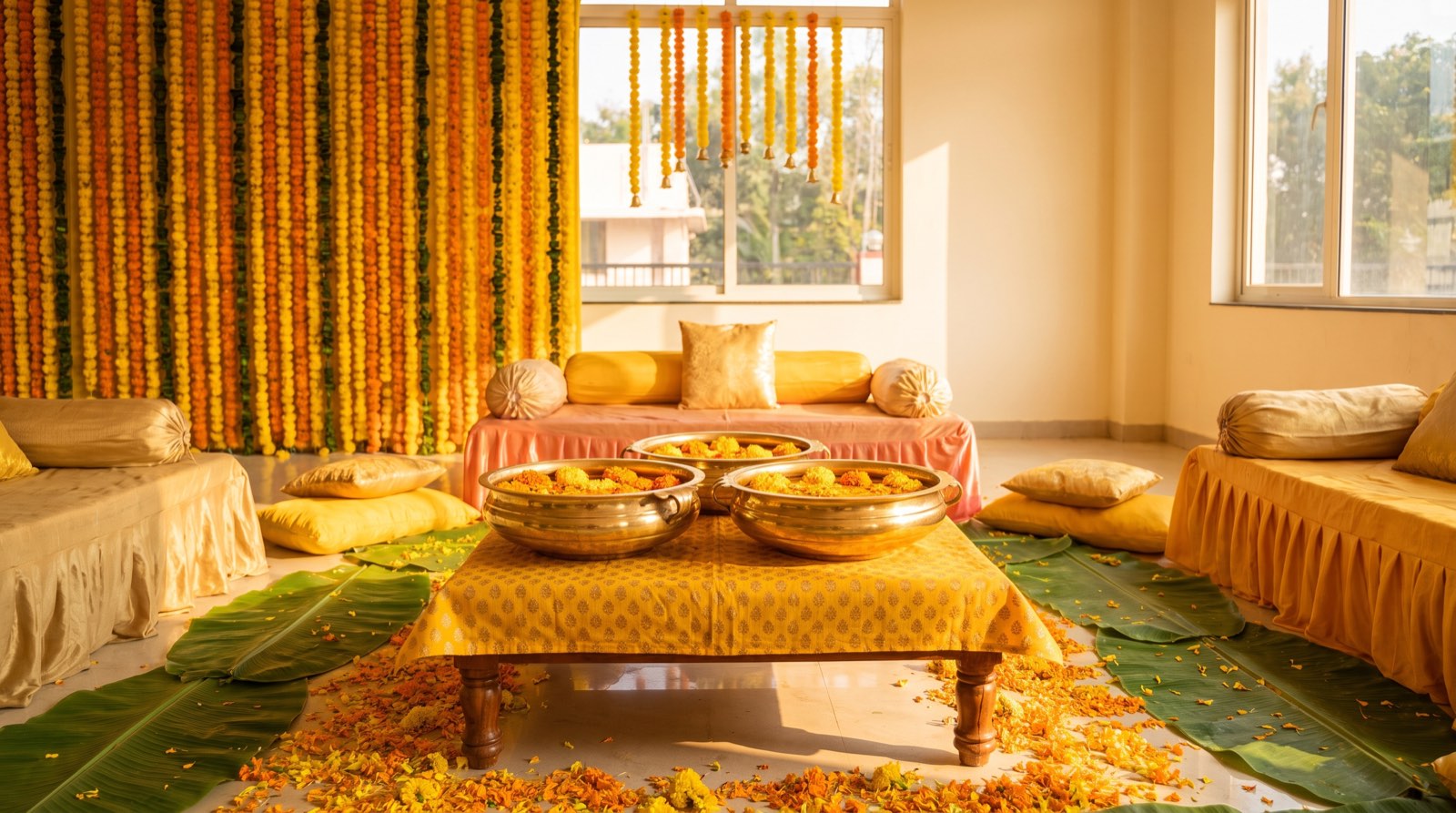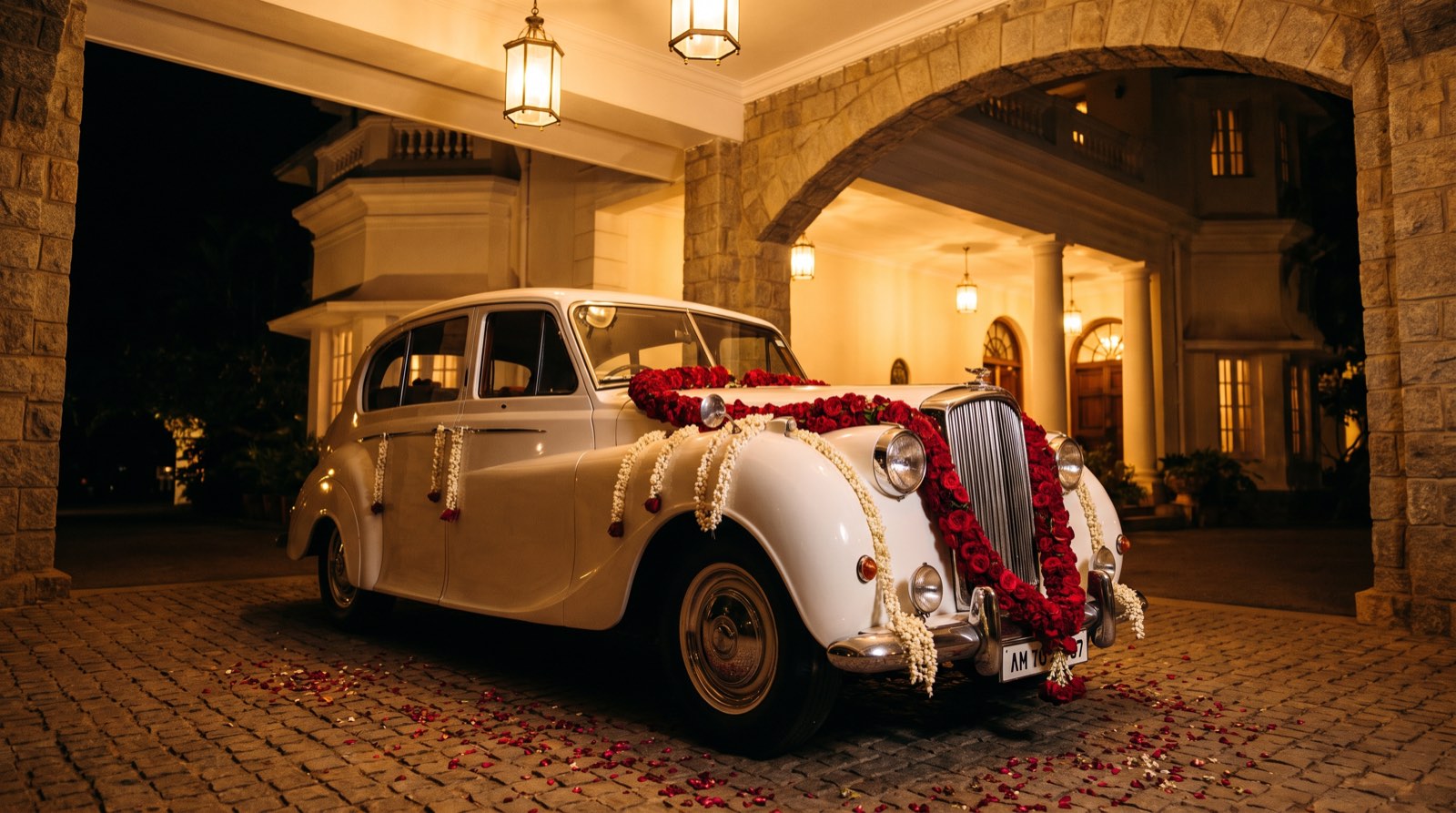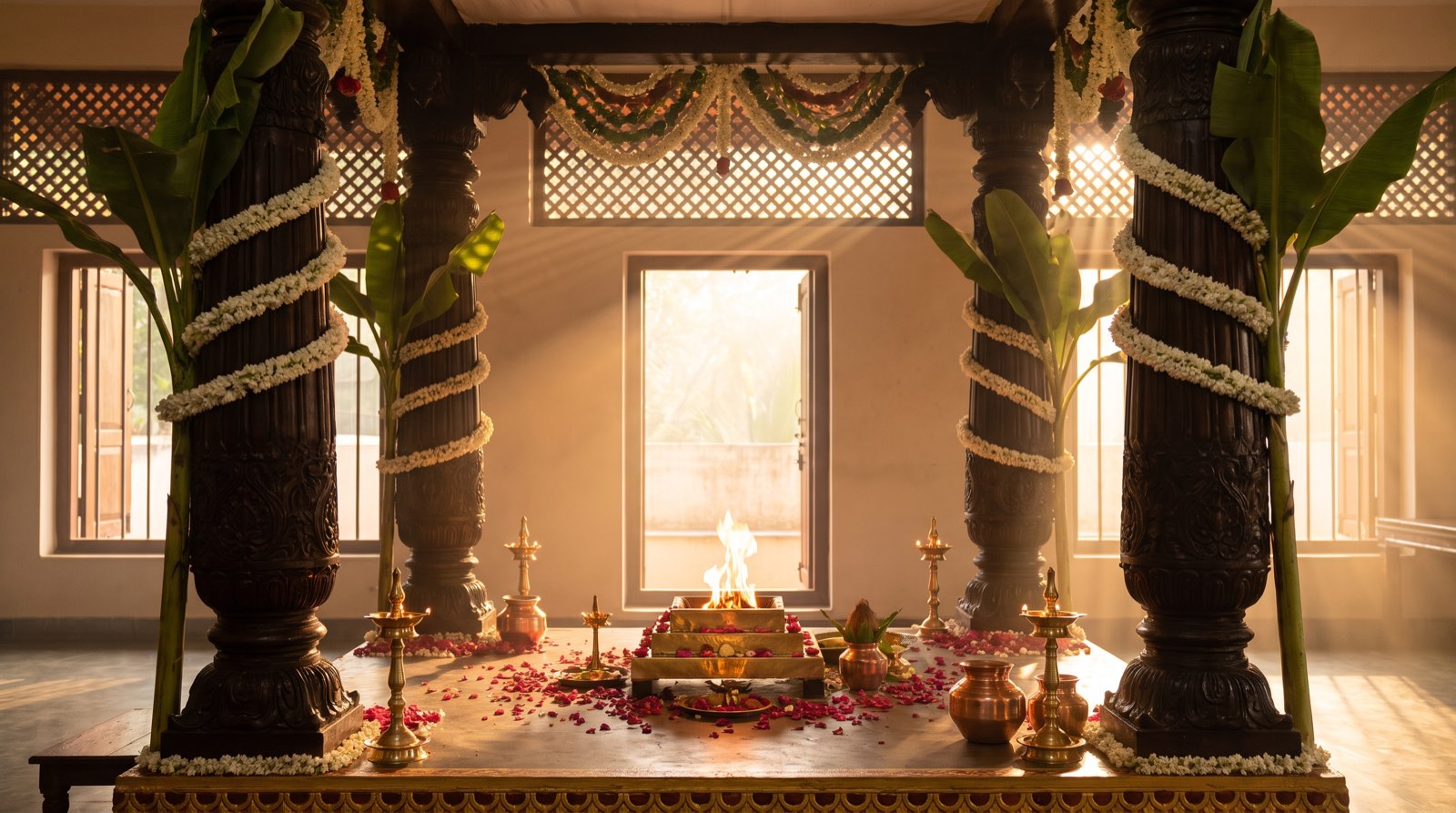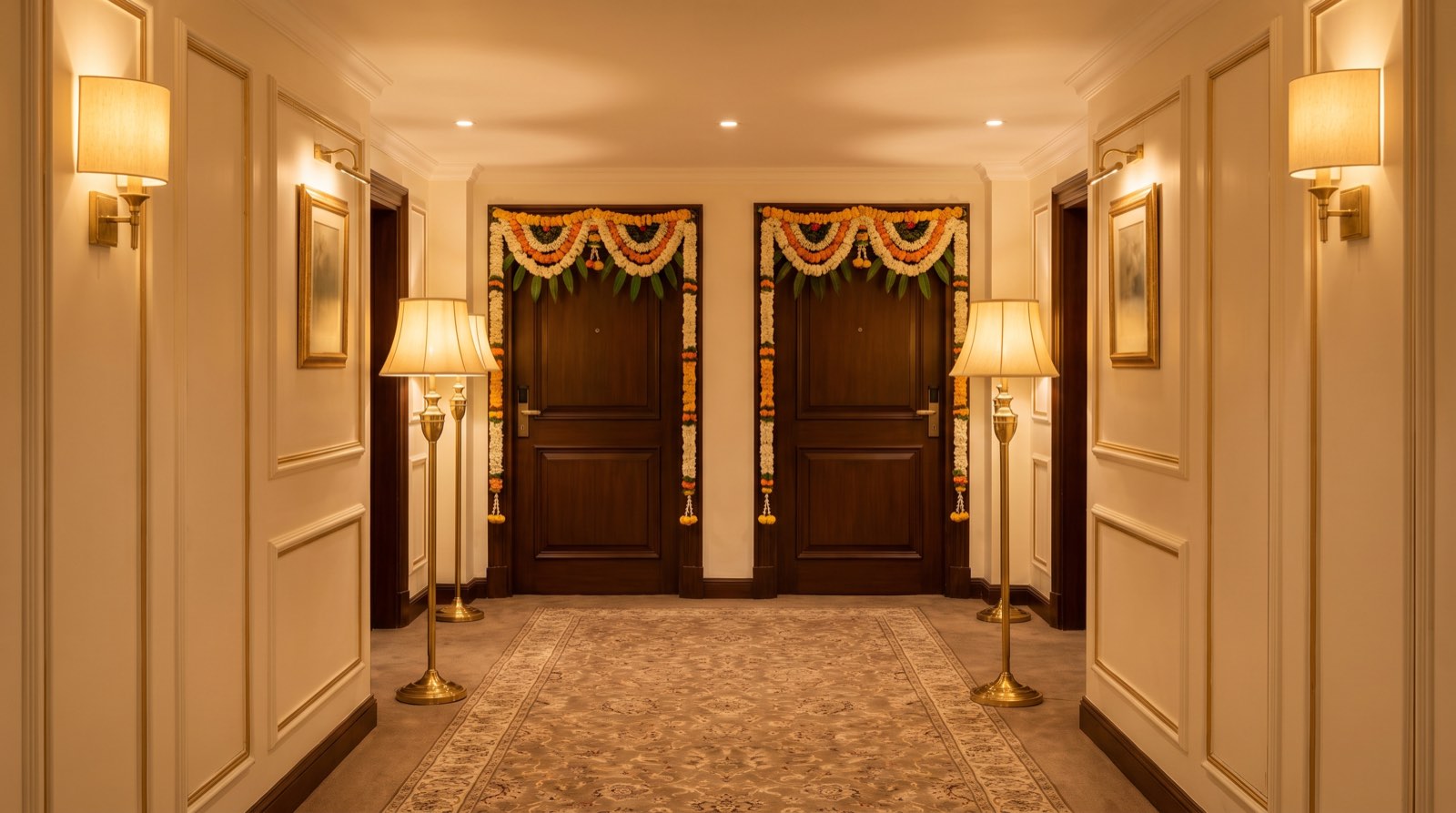
Run a two-family wedding on four rules: separate green rooms with equal amenities, one master run-sheet visible to both sides, one named coordinator per family empowered to decide small things, and rituals time-boxed by agreement the week before. Most wedding-day friction is logistics wearing the costume of family politics.
Every wedding merges two households with different customs, different punctuality cultures and two aunties who both consider themselves in charge. The couple cannot referee this on the day — the plan has to.
Here is the light-touch operating system that lets both families shine without colliding.
The four-rule operating system
- Two green rooms, identical treatment — same size class, same refreshments, same mirror-and-AC comfort; asymmetry here gets noticed within minutes
- One run-sheet, shared — a single timeline WhatsApped to both families the day before; two versions of the schedule is how 45-minute delays are born
- One coordinator per side — a cousin or uncle each, named in advance, empowered to answer the two hundred small questions without escalating to the couple
- Rituals time-boxed by agreement — settle the week before which customs run and how long each takes; the priest and the run-sheet then hold the line together
The classic flashpoints, defused
- Photography fairness: brief the photographer with a shot list naming both families’ must-have groupings — imbalance in the album is remembered for decades
- Stage time: alternate family group photos in blocks of ten minutes; a queue marshal (your coordinator) keeps it moving without anyone feeling rushed
- Dining order: seat elders of both sides in the first batch together — nothing communicates equality like the first banana leaf being served to both grandmothers at once
- Custom clashes: where traditions differ, run both — a five-minute extra ritual costs nothing against a five-year grudge
What the venue can absorb for you
A venue built for big Indian weddings absorbs most of this silently: multiple green rooms mean nobody shares a mirror, a large pillarless hall lets both families’ guests sit where they can see, separate entry porches can even give each side its own baraat-style arrival. Ask on the site visit: “How do you host the two families?” A venue with a practised answer has watched a hundred of these days succeed — and a few fail — and knows exactly which details made the difference.
Frequently asked questions
How do you keep both families happy at a wedding?
Should each family have its own green room?
Who should coordinate between the two families on the day?
Planning an event? Talk to the team that hosts 200+ a year.
Check your date, walk the halls and taste the menu — no obligation. We respond within one working day.